
The way a home functions becomes clear once daily patterns settle in, and layout choices often influence that experience more than surface upgrades. As you weigh property decisions, insight connected to rental inspection planning can help link floor plan strategy to outcomes that matter in Portland, including consistency, livability, and asset protection.
Residential renters throughout Portland pay close attention to how a space supports everyday life, from work-from-home routines and seasonal weather shifts to privacy needs and storage demands. The sections below break down floor plan elements that attract reliable applicants, encourage longer stays, and help residential rentals operate smoothly over time.
Key Takeaways
- Thoughtful floor plans help Portland rentals lease steadily and retain residents longer.
- Bedroom placement affects privacy, noise control, and shared household balance.
- Flexible spaces increase appeal for remote work and changing lifestyles.
- Kitchen, laundry, and storage layouts shape daily comfort more than finishes alone.
- Family- and pet-friendly circulation reduces wear while improving livability.
Open Living Areas That Feel Balanced
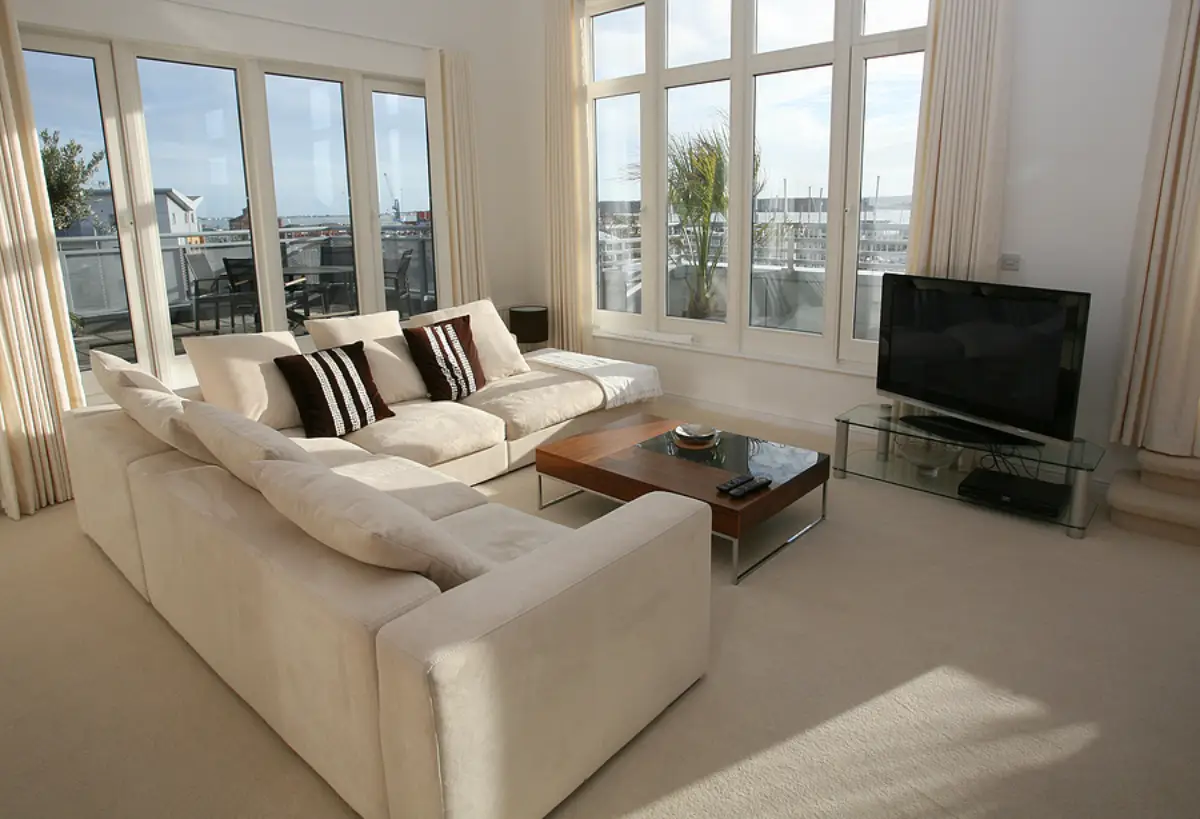
Living spaces create the first sense of how a home works, both during showings and after move-in. In Portland, renters often want openness paired with structure, rooms that feel connected without becoming undefined.
Open-concept layouts remain in demand because they allow light to move freely and improve circulation between kitchens, dining areas, and living rooms. National housing trends support this preference, with 54% of new homes featuring open kitchen-dining configurations.
Preserve Flow Without Creating Chaos
An open layout works best when movement feels intentional. A few practical design choices can improve everyday use:
- Establish clear walkways that keep foot traffic out of seating areas.
- Create an entry landing zone for coats, shoes, and daily items.
- Use islands or peninsulas to define kitchen space while maintaining visibility.
Portland’s mix of rainy months and mild summers makes these transitions especially important, helping renters manage gear and movement without clutter.
Blend Indoor and Outdoor Areas Naturally
Patios, decks, and yard access add value when they connect directly to living spaces. When outdoor areas feel like part of the home, tenants are more likely to use them regularly, which enhances overall satisfaction.
Bedroom Placement That Supports Daily Calm
Bedrooms strongly influence how restful a rental feels. Portland rentals often house roommates, families, or multigenerational households, making privacy and sound separation essential.
Thoughtful bedroom placement helps reduce tension and supports smoother shared living, which often translates into longer lease terms.
Separate Activity From Rest
Bedrooms positioned away from kitchens and living rooms experience fewer disruptions. Split-bedroom layouts work well for households with varied schedules, including early mornings, late evenings, or hybrid workdays.
Keep Bathroom Access Practical
Bathrooms should be easy to reach without compromising privacy. Strong layouts avoid routing guests through bedrooms and place bathrooms where they serve both residents and visitors comfortably.
When layout decisions align with long-term planning, guidance on investment protection strategies highlights how design choices can help preserve property condition.
Primary Bedrooms That Encourage Stability
Primary bedrooms with functional closets and convenient bathroom access feel suitable for longer stays. That comfort often appeals to renters seeking stability rather than short-term housing.
Flexible Spaces That Adjust Over Time
Rigid layouts can limit how a home adapts to changing needs. Many Portland renters prefer spaces that shift easily between work, study, hobbies, or guest use.
Remote and hybrid work continue influencing housing preferences, with 36.07 million remote part-time workers nationwide underscoring the demand for adaptable environments.
What Makes a Flex Space Useful
A practical flex area does not require additional square footage. It benefits from:
- Consistent lighting with access to natural light
- Convenient outlets for electronics and equipment
- Wall space that supports desks, shelving, or storage
During showings, tenants quickly decide whether a space feels workable. When it does, interest tends to increase.
Keep Shared Areas Focused on Living
Dedicated flex rooms help prevent work setups from spreading into living rooms. This separation supports organization and improves long-term enjoyment of shared spaces.
Kitchens and Laundry Areas That Support Routine
Kitchens and laundry areas shape daily habits more than almost any other part of a rental. When these spaces function smoothly, the home feels easier to manage.
Kitchen Layouts Built for Movement
A functional kitchen supports easy movement between sink, stove, and refrigerator. Even modest adjustments can improve usability:
- Maintain a clear prep area for cooking.
- Keep cabinets and drawers accessible without blocking paths.
- Avoid appliance placement that creates congestion.
Owners often evaluate these improvements alongside long-term goals. Insight from asset management practices shows how layout decisions influence performance.
Laundry Placement That Feels Convenient
In-unit laundry remains a strong leasing factor in Portland. Laundry areas work best when accessible, ventilated, and positioned outside main walkways. This convenience often affects lease decisions, especially for families and busy professionals.
Family- and Pet-Friendly Circulation
Many Portland renters share homes with children or pets. Layouts that support natural movement help reduce accidental damage and improve retention.
Effective circulation often includes:
- Open sightlines between kitchens and living areas for supervision
- Durable flooring transitions in high-traffic zones
- Easy access to outdoor areas for pets and play
Coordinating upkeep becomes easier when circulation makes sense. Guidance on maintenance coordination systems explains how thoughtful design supports smoother operations.
Storage and Accessibility That Improve Comfort
Storage often determines how livable a home feels after move-in. Tenants may overlook it during tours, but they notice quickly if it’s missing.
Storage That Matches Portland Living
Renters often need space for seasonal clothing, outdoor gear, and everyday items. Useful storage includes:
- Linen closets near bathrooms
- Pantry space that clears countertops
- Entry storage for coats and shoes
- Garage or utility areas for larger belongings
Adequate storage supports organization and reduces wear on floors and walls.
Layouts That Appeal Across Life Stages
Single-story homes often appeal to families with young children and older renters. Two-story homes perform well when bedrooms and bathrooms are arranged logically and pathways feel open rather than cramped.
Consistent updates also help. Insights from rental value improvements show how thoughtful adjustments enhance long-term appeal.
Keep High-Use Areas Dependable
Even strong floor plans rely on reliable doors, windows, ventilation, and moisture control. Preventive attention in kitchens, bathrooms, and laundry areas helps avoid disruptions that affect satisfaction.
FAQs about Creating the Best Floor Plan in Portland, OR
How does a floor plan influence the type of tenants a rental attracts?
Layouts that feel organized and flexible tend to attract tenants planning longer stays, since those designs signal comfort, usability, and space that can adapt to changing routines over time.
What layout features help rentals handle Portland’s seasonal weather better?
Entry spacing, storage for outdoor gear, and room flow that prevents bottlenecks help tenants manage wet seasons more comfortably, reducing clutter and wear inside the home.
Can layout choices affect how tenants care for a property?
Yes. Homes that feel intuitive are easier to keep tidy and maintain, which often leads tenants to treat the space more carefully and report issues before they escalate.
Why do some rentals feel crowded even when square footage is similar?
Poor room proportions, awkward door placement, and inefficient circulation can make a home feel smaller, even with adequate square footage, impacting comfort and satisfaction.
How should owners evaluate a floor plan before making improvements?
Owners benefit from walking the space during peak-use moments, such as mornings or evenings, to identify congestion points, noise issues, and underused areas that affect daily living.
Design That Holds Its Value Over Time
In Portland, small layout advantages can have a long shadow. A coat drop near the door keeps rainy-day clutter from spreading, a hallway that doesn’t pinch traffic prevents daily annoyance, and a flexible room stops the living area from becoming a permanent workstation. These details don’t just make a home feel better, they shape how residents treat the space, how often they renew, and how smoothly the property runs year-round.
At PMI Bridgetown, we manage strictly residential rentals with an eye on the features tenants depend on most. Protect your home’s comfort systems with our maintenance services and let us handle the behind-the-scenes work that keeps your rental reliable and tenant-ready.
